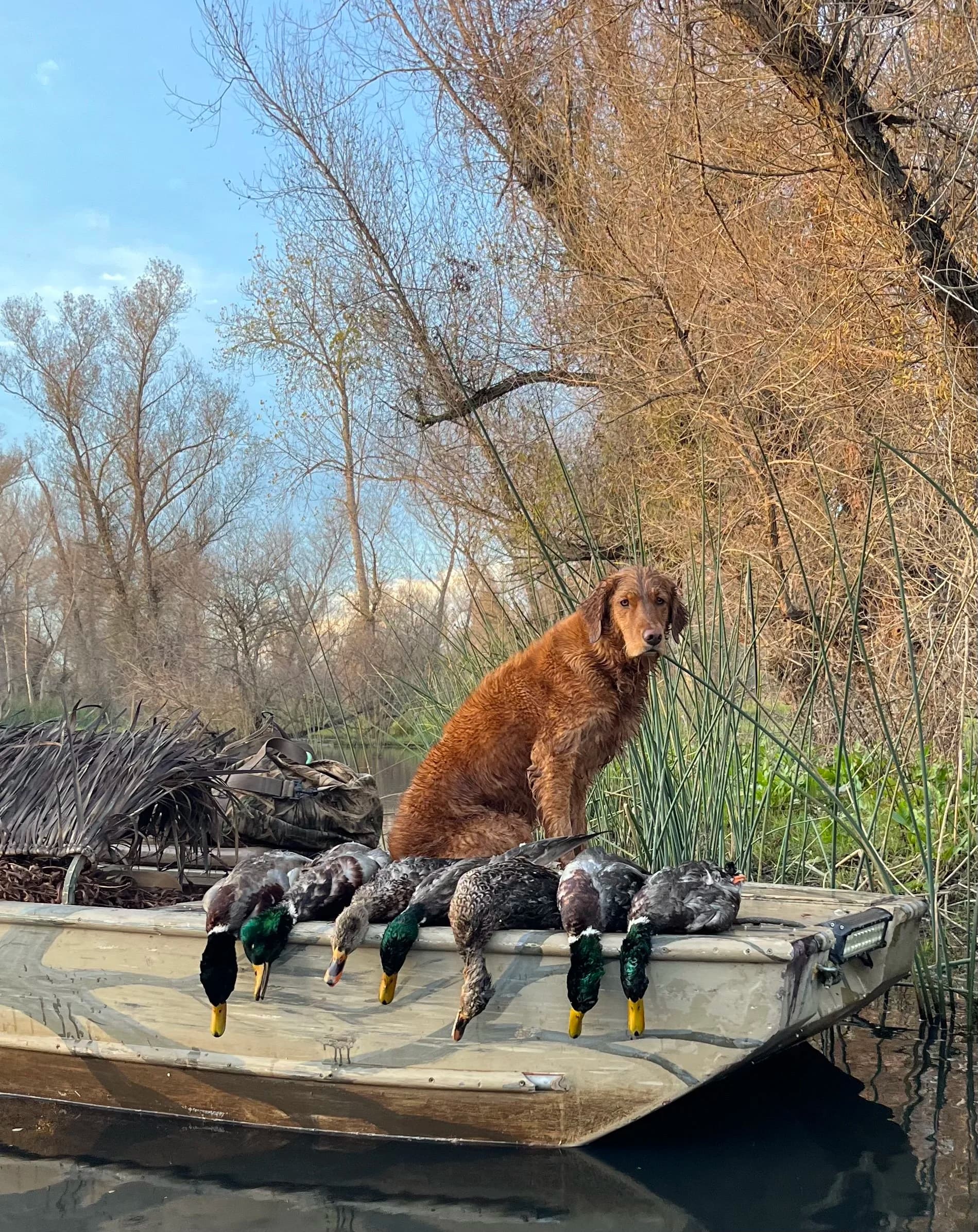
The easy answer is yes—Golden Retrievers can be exceptional hunting dogs. In fact, hunting is not a new job that people have found for the breed. It is the job Golden Retrievers were originally developed to do. The official breed standard still describes the Golden as "primarily a hunting dog," and the breed's structure, intelligence, trainability, temperament, and athleticism were all shaped by the demands of retrieving game in the field.
But there is an important distinction: not every Golden Retriever is being bred with the same priorities today. Some breeding programs focus primarily on conformation, companionship, or other performance goals. Others continue selecting specifically for natural retrieving ability, bird drive, trainability, athleticism, and the ability to work closely with a hunter. If your primary goal is a serious hunting partner, the individual dog's pedigree and the purpose behind the breeding matter tremendously.
What Makes a Golden Retriever a Good Hunting Dog?
A capable hunting retriever needs much more than enough energy to run through a field. The best hunting Goldens combine several qualities that work together.
Natural Retrieving Desire
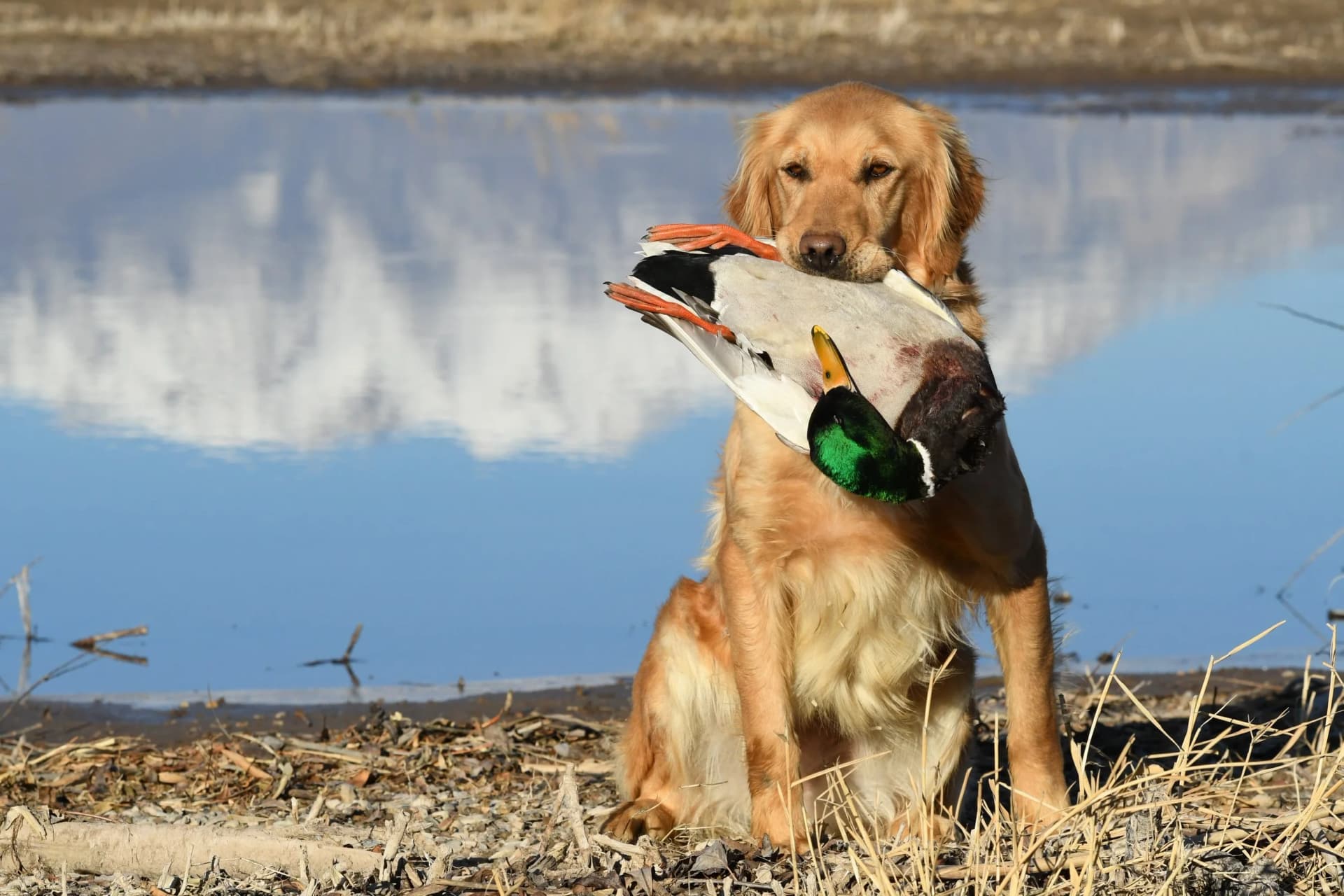
A good retriever genuinely wants to pick something up, carry it, and bring it back. That natural desire is the foundation on which more advanced training is built. We look for dogs that engage enthusiastically with birds, enter cover willingly, and persist when a retrieve becomes difficult. The Golden Retriever Club of America identifies qualities such as marking, memory, intelligence, attention, nose, perseverance, desire, and trainability as important natural abilities within the breed.
Marking Ability
A hunting dog must watch a bird fall, remember the location, and take an efficient line to recover it. Strong marking ability is especially valuable when multiple birds are down, visibility is poor, or a fall lands in heavy cover. Some of this can be improved through experience, but natural focus, memory, and depth perception make an enormous difference.
Biddability and Teamwork
A great hunting retriever is not simply an independent dog with prey drive. The dog must want to work with its handler. As training progresses, a retriever may need to stop on a whistle, take directional casts, hold a line, and complete a blind retrieve to a bird it never saw fall. The willingness to accept direction while retaining confidence and initiative is one of the qualities we value most.
Through Utah Bird Dog Training, Tyce has spent nearly two decades working professionally with gun dogs from many different breeds, pedigrees, and backgrounds. That experience has reinforced something we see repeatedly: raw drive is useful, but drive without cooperation, resilience, or trainability does not create the hunting partner most people actually want.
Athleticism and Endurance
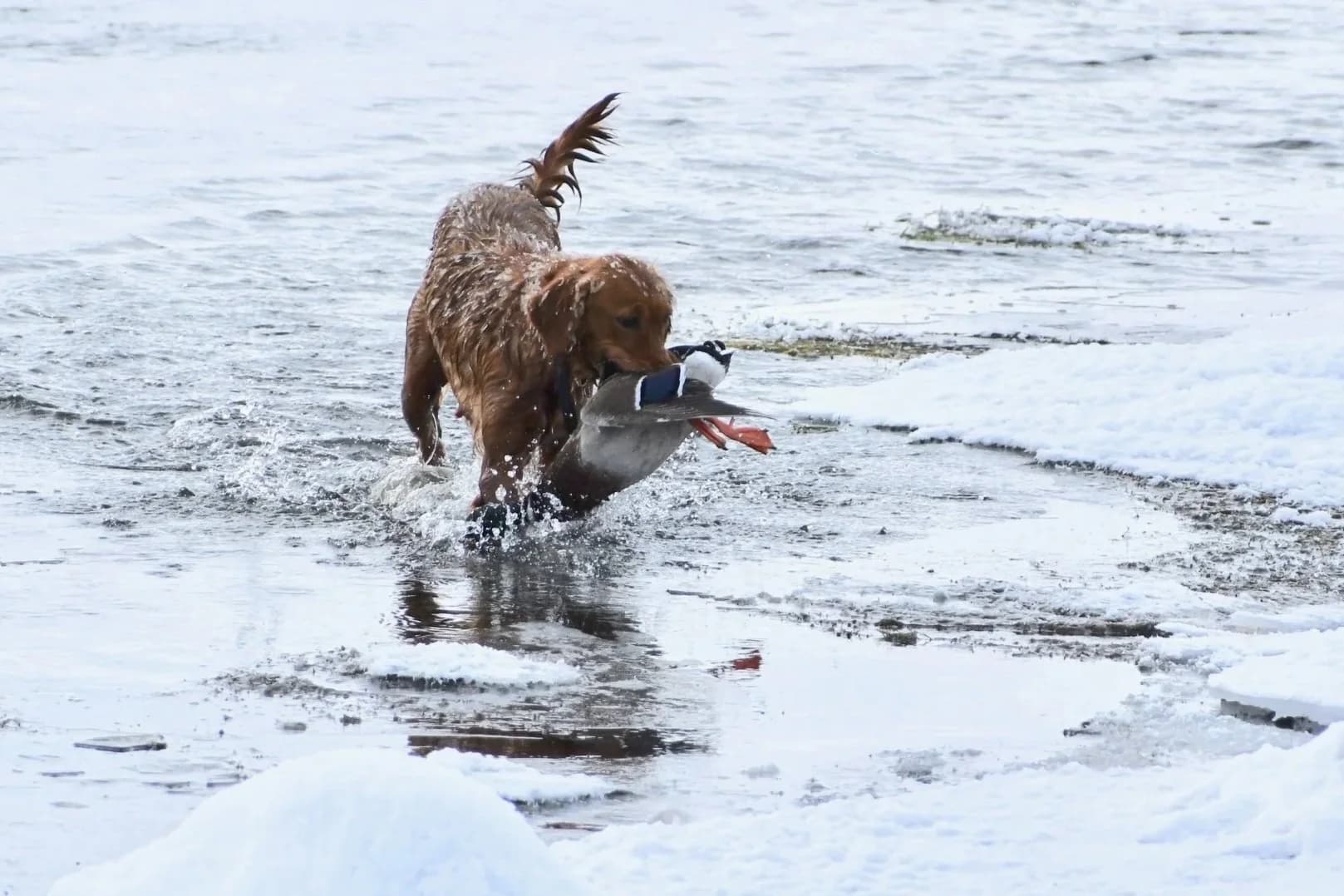
Real hunting can mean cold water, mud, ice, thick cover, long waits, difficult terrain, and repeated retrieves over the course of a day. A field-bred Golden should be athletic enough to work efficiently without carrying unnecessary bulk. The breed was developed to retrieve upland birds and waterfowl, and strength, stamina, sound structure, and a practical protective coat were essential to that work.
Water Attitude
For a waterfowl dog, willingness to enter water is non-negotiable. Some Goldens launch into the water with tremendous intensity, while others enter in a more measured way. Either style can be effective, but the dog must be confident, persistent, and willing to work through changing water and weather conditions.
A Sound Temperament and Off-Switch
The ability to hunt hard does not need to come at the expense of being enjoyable at home. Our favorite Goldens can work with real intensity and then settle when the work is finished. That balance does not mean the dog is naturally low-energy or requires no training. It means the dog possesses a clear head, emotional steadiness, and the ability to transition between work and everyday family life. For most hunters, the dog will spend far more days at home than in a duck blind. Temperament matters.
Can Golden Retrievers Hunt Both Waterfowl and Upland Birds?
Yes. Golden Retrievers were developed to recover shot game from both land and water. They are widely used for waterfowl hunting and can also work upland cover, find and flush birds, and retrieve downed game. Individual style varies. Some dogs are especially powerful water dogs. Others excel at covering upland terrain. A versatile Golden may do both well, particularly when natural ability is supported by thoughtful training and regular hunting experience.
Does Coat Color Determine Hunting Ability?
No. Many field-bred Goldens are darker red, and that appearance has become closely associated with working lines. But coat color does not create bird drive, marking ability, trainability, or athleticism. We own and produce Goldens in multiple shades. We evaluate the dog in front of us—its pedigree, health, structure, working ability, temperament, and what it may contribute to the next generation. A lighter Golden from accomplished field lines may possess every bit as much natural ability as a dark-red dog. Choose substance over color.
Are Hunt-Test Titles Important?
Hunt-test titles are valuable. They provide evidence that a dog has reached a defined level of training and can perform under standardized conditions. They are not, however, the only evidence that matters. We also care deeply about how a dog performs during a real hunting season. Real hunts introduce changing wind, weather, terrain, crippled birds, difficult falls, long waits, and situations that cannot be perfectly rehearsed.
The strongest picture comes from considering the whole dog:
- ✦Natural ability and real hunting experience
- ✦Hunt-test or field accomplishments
- ✦Trainability and response to pressure
- ✦Temperament at work and at home
- ✦Health testing and sound structure
- ✦The quality and consistency of related dogs and previous offspring
How Do You Choose a Golden Retriever Hunting Puppy?
For most families, the first decision is not which puppy to choose—it is choosing the right breeder, bloodlines, and litter. Look for a breeder whose dogs are being selected for the kind of work and lifestyle you want. Ask about the parents' health clearances and pedigrees, real hunting experience and working titles, temperament and expected drive within the litter, how puppies are raised and evaluated, and previous offspring from the same or related pairings.
At FBGR, families do not select their puppy during a brief visit or from photographs. We spend the first 6–8 weeks living with and observing every puppy. We evaluate confidence, bird interest, retrieving desire, handler focus, independence, sensitivity, recovery, intensity, and ability to settle. At approximately 6½ weeks, we also conduct a formal temperament assessment. We then match each puppy with the family best suited to its individual qualities.
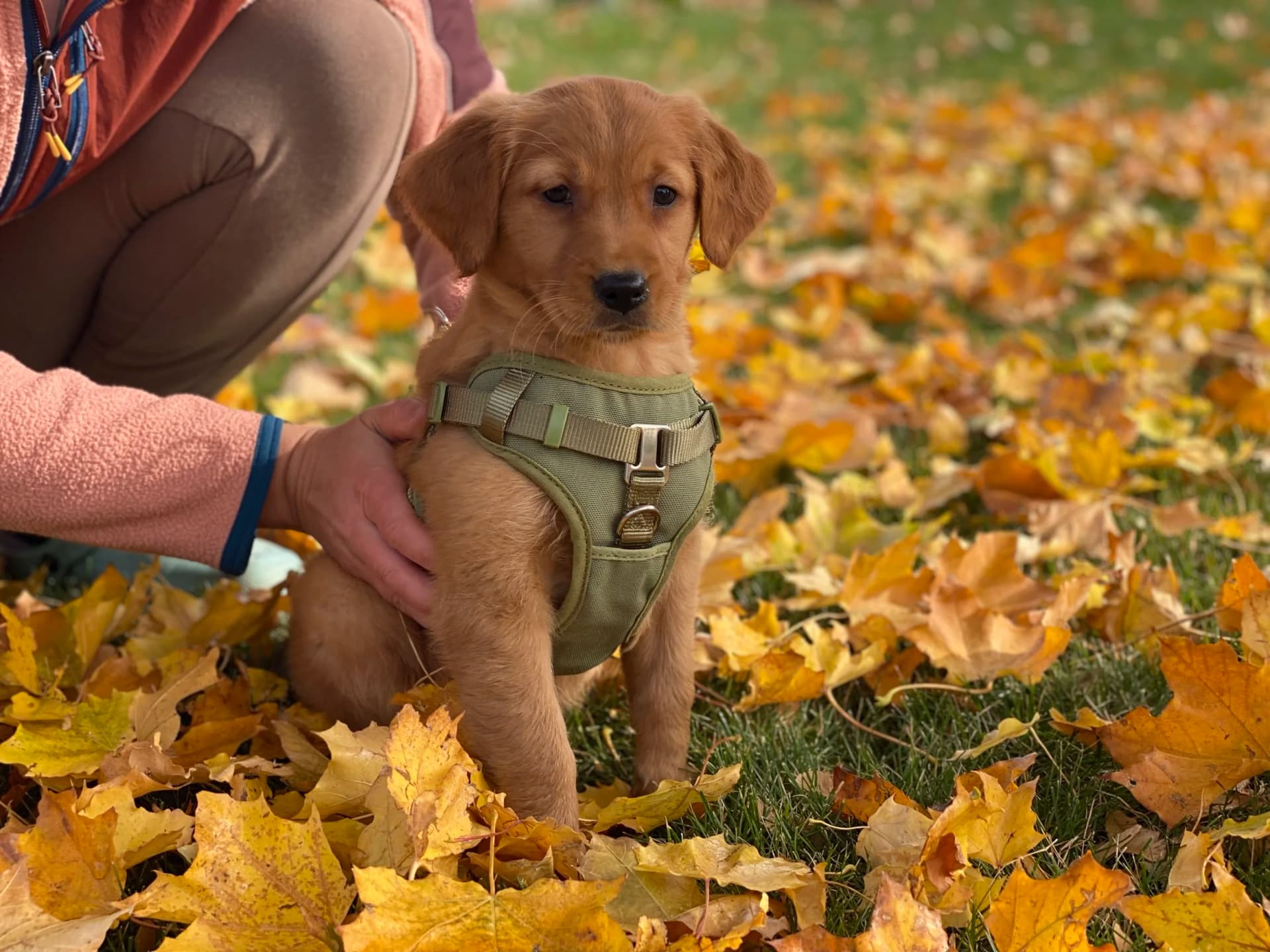
The Golden Retriever as Both Hunter and Companion
Part of the breed's appeal is its versatility. A thoughtfully bred Golden can retrieve ducks in difficult conditions, hunt upland cover, participate in hunt tests or other dog sports, and still be an affectionate, connected member of the family. That combination is precisely what we work toward at FBGR. We want dogs with the ability and desire to do meaningful work, the intelligence and biddability to progress through training, and the temperament to belong fully in their families.
The right Golden Retriever is an outstanding hunting dog—and one of the most enjoyable hunting partners a family can bring home.